
 By
By 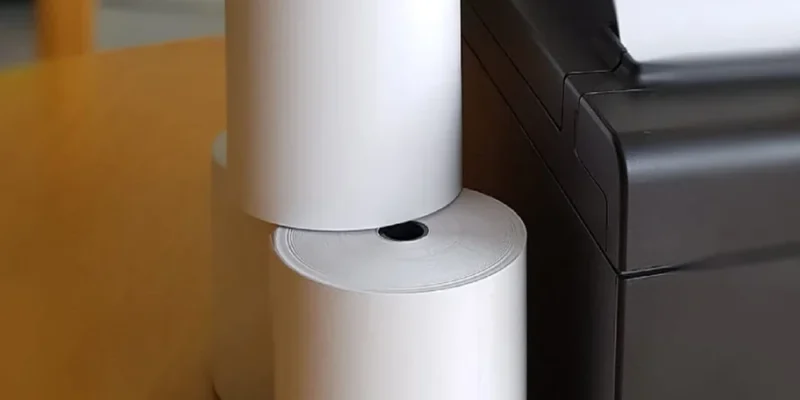
Request quotes from five label printers and you’ll often get five numbers that seem impossible to compare. One is per thousand. One includes a cutting die. One mentions a minimum order you didn’t ask for. Another quotes a material you’ve never heard of.
It doesn’t have to be confusing. Once you understand the main variables, comparing suppliers becomes much easier, and you’re far less likely to be surprised by the final invoice.
Why Supplier Choice Matters
Labels look like a small detail, but they carry your brand, legal information and sometimes barcodes that retailers rely on. A label that fades, smudges or peels reflects badly on the product inside. Choosing between custom label suppliers isn’t just about price. It’s about reliability, consistency and how well they understand your product.
Materials: What You’re Actually Paying For
Most quotes will reference a “face stock”, which is the material the label is printed on.
- Uncoated paper: natural, textured look; fine for dry goods; absorbs moisture
- Coated or gloss paper: sharper print quality; still best kept dry
- BOPP (polypropylene film): handles moisture and oils better; common for drinks, cosmetics and chilled foods
- Clear film: almost invisible on glass or clear plastic
- Vinyl: flexible and tough; often used for outdoor or heavy-use items
If a supplier recommends a specific material, ask why. A good one will explain how it suits your container, environment and shelf life.
Finishes and Protection
Finishes affect both looks and durability. Gloss varnish or laminate makes colours brighter. Matte gives a softer feel. Lamination adds a protective film that can help with scuffing and moisture, though how much protection depends on the exact product.
Specialty finishes such as foil stamping, embossing and spot varnish look great but usually add setup costs. Ask for a price with and without them so you can see exactly what each adds.
Understanding MOQs
MOQ means minimum order quantity. Suppliers set MOQs because each job has fixed setup work. Below a certain quantity, the job simply isn’t worth running.
MOQs vary a lot depending on the printing method:
- Digital printing usually allows smaller runs and multiple designs, which suits startups and frequent artwork changes.
- Flexographic printing uses plates and is typically more economical for larger runs of the same design.
If you have several product variants, ask whether different designs can be combined into one order to meet the minimum. Many suppliers allow this, especially with digital printing.
Price Breaks and True Unit Cost
Label prices usually drop as quantity rises. Sometimes ordering a little more than you planned makes the per-label cost noticeably lower. Just weigh that against storage space, shelf life of the labels themselves, and the chance that your design or ingredients will change.
Also check what’s included:
- Cutting dies for custom shapes
- Proofs
- Roll winding and core sizes
- Packaging and shipping
Two quotes with the same unit price can have very different totals.
Roll Specifications
If you use a labelling machine, the supplier needs exact details: core diameter, maximum roll diameter, gap between labels and winding direction. Get these from your machine’s manual or supplier. Labels on the wrong roll configuration can stop a production line.
Questions to Ask Every Supplier
- Can you send material samples before I order?
- Do I receive a proof, and can I request a printed proof?
- What is your MOQ for my size and material?
- Can multiple designs share one run?
- How long are first orders and reorders?
- How do you handle colour matching across reorders?
- What happens if a batch arrives with defects?
Building a Long-Term Relationship
Once you find a supplier you trust, ordering wholesale custom labels for several products at once can simplify your restocking and help keep colours consistent across the whole range. Many brands schedule reorders around their production cycles so labels arrive just before they’re needed.
Red Flags When Comparing Quotes
Be cautious if a supplier won’t send samples, avoids giving a written specification, or can’t tell you what material the quote is based on. Very low prices sometimes mean thinner materials, no laminate or extra charges added later for dies and shipping. A quote that seems unclear now usually becomes more confusing after you’ve paid.
Final Thoughts
The right label supplier makes your product look consistent and professional without constant supervision. Compare quotes on materials, finishes, MOQs and what’s actually included, not just the headline price. Ask for samples and proofs, and choose a partner who explains their recommendations clearly. That conversation tells you a lot about how they’ll handle your orders.










Comments