
 By
By 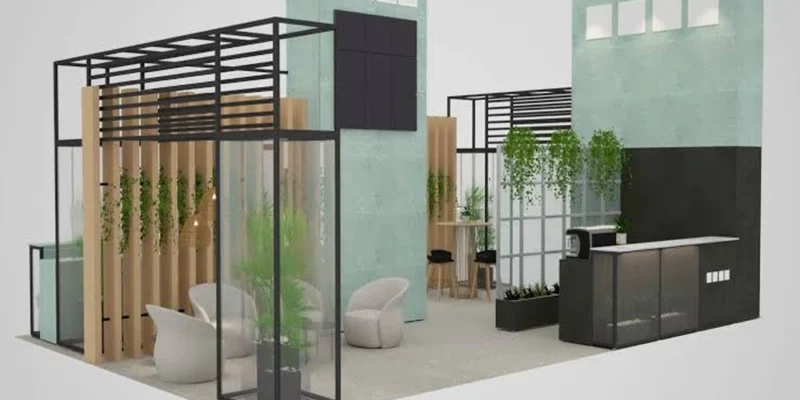
Exhibition booth design Singapore brands commission has to satisfy the same creative ambitions as anywhere else, plus a set of local constraints, venue regulations, structural certification requirements, seasonal timing around the city’s packed events calendar, that catch out brands used to a different market’s rules. Understanding those local specifics before a concept is finalised avoids costly redesigns once a stand is already in fabrication.
Structural Certification Requirements Venues Actually Enforce
Singapore’s major exhibition venues require structural certification aligned with Building and Construction Authority standards for any stand above a certain height or with a raised platform, a requirement that catches out brands whose usual design vendor operates in a market with looser structural oversight. Confirming certification requirements with the specific venue before finalising a design, not after, avoids a stand that looks approved on paper but fails inspection on setup day with no time left to fix it.
Booth Height Restrictions and What They Mean for Design
Standard shell-scheme booths carry lower height allowances than custom-build spaces, and exceeding the allowance without prior approval can result in a stand being flagged during setup, sometimes requiring last-minute alteration. Checking the specific height allowance for the booth type booked, rather than assuming a previous show’s allowance carries over, is a basic but frequently skipped step that costs nothing to verify early.
Working Within Singapore’s Compressed Show Calendar
Singapore’s exhibition calendar runs dense, particularly across the second half of the year, which compresses the window fabrication teams have between one show’s tear down and the next show’s build-up. Booking design and fabrication capacity well ahead of a show date, rather than assuming capacity will be available closer to the date, matters more in this market than in less densely scheduled ones abroad.
Import Logistics for Non-Standard Materials
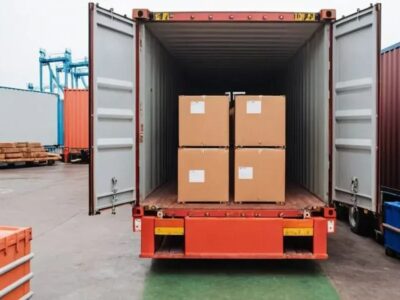
Materials or fixtures sourced outside Singapore can face import delays or additional certification requirements that a locally sourced equivalent wouldn’t, which affects both timeline and total cost once those factors are accounted for. Weighing the genuine design benefit of an imported material against the logistics cost avoids a late surprise that forces a substitution close to the show date.
Coordinating With Venue-Appointed Contractors
Most Singapore venues require certain services, power, rigging, in some cases structural sign-off, to go through venue-appointed contractors rather than an external team, which needs to be factored into both budget and timeline from the outset. Clarifying which elements of a build must go through the venue’s own contractors before quoting a project avoids a budget built on assumptions the venue itself won’t allow, and matters just as much during exhibition booth setup Singapore teams handle on-site.
Designing for Singapore’s Humidity and Climate
Materials that perform well in temperate climates can warp, discolour or degrade faster in Singapore’s humidity, particularly over a multi-day show or if a stand is stored between events for reuse. Specifying materials with local climate performance in mind, rather than defaulting to a supplier’s standard catalogue developed for a different market, extends how well a stand holds up.
Balancing International Brand Guidelines With Local Execution
International brands operating in Singapore often carry global brand guidelines developed without a local exhibition market in mind, and applying those guidelines rigidly can conflict with local structural or logistical realities. Working with a design team that understands both the brand guidelines and the local execution constraints avoids a stand caught between two sets of requirements pulling in different directions.
Multilingual and Multicultural Audience Considerations
Singapore’s exhibition audiences are genuinely multilingual and multicultural, which affects everything from signage language choices to which visual references land as intended versus which risk misreading. Testing key messaging and imagery against that audience diversity before finalising graphics catches problems a single-market design review would miss entirely.
Choosing Between Local and Regional Design Partners
A regional design partner may offer broader portfolio experience across Southeast Asia, while a locally based team typically has deeper, more current knowledge of specific Singapore venue requirements and contractor relationships. Weighing that trade-off honestly against a specific project’s needs, rather than defaulting to whichever option seems more prestigious, produces a better-matched partnership.
Seasonal Considerations for Brands Also Running Festive Activations
Brands that run both trade show stands and seasonal retail activations in the same market face overlapping demands on design and fabrication capacity during Singapore’s busiest calendar periods, particularly around year-end when a festive decoration company Singapore retailers rely on is also at peak capacity. Planning both categories of work on a shared calendar, rather than treating them as entirely separate projects competing for the same vendors, avoids capacity conflicts during the most demanding months.











Comments