
 By
By 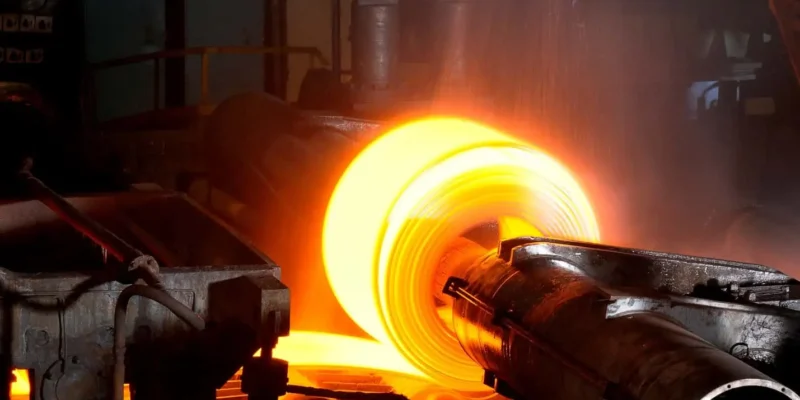
Hot-rolled steel coil has numerous applications ranging from automobiles and building infrastructure, and the market for HR coil is expected to reach USD 350 billion by 2032.
There are several growth drivers, such as rising demand from the construction sector, particularly in the growing economies. Hot-rolled coils are in demand for the automobile industry. This steel is also highly sought after for bridges and roads.
What Trends Are Changing the Steel Market?
Steel made from hot rolling is currently seeing a huge growth. This is attributed to technological improvements, sustainability. and automation. Let’s look at these expansions in detail:
Green Steel
It’s pretty self-explanatory. A hot strip mill in today’s day and age takes sustainability into account. This steel-making process involves reduced carbon emissions by lowering energy consumption or shifting to renewable energy sources.
Steel mills are using more and more Electric Arc Furnace (EAF) Technology. HR coil mills are using recycled steel, and they consume less energy compared to regular or traditional blast furnaces.
Distribution Channels Expanding
The HR coil sheet market is undergoing some big digital transformation, too. E-commerce channels are increasingly being used for buying and selling steel products, which include hot-rolled steel as well.
This is a trend that is boosting the steel manufacturers’ reach, giving buyers more options. The prices of steel, for this reason, are competitive, and there is improved service delivery.
Raw Material Price Volatility
Iron ore and coal are the lifeblood of the steel industry, and market dynamics can cause price fluctuations, explaining the volatility. This can affect the production cost for HR coils. The manufacturers are looking for hedging strategies and long-term supply contracts to take care of these risks.
The Ever-Increasing Demand
Markets are growing, especially in Asia, and the demand for hot-rolled steel is growing there. As economies grow, the demand for this steel is increasing for infrastructure. This will increase manufacturing and construction activities, making hot-rolled steel the go-to material for infrastructural projects and the automotive industry.
Global Demand Impacting Local Steel Industries
Global steel demand determines the growth and stability of local steel industries. In global competition, the prices can be volatile, as we’ve already mentioned. In such circumstances, local industries may find it difficult to keep up with the pricing pressures, which can lead to problems with balancing the quality and cost-efficiency of their products.
Volatility can strain your resources and take a toll on profitability. Additionally, on the other hand, an increase in demand can mean increased opportunities, but also pressures on production capabilities. Steel mills have to tread carefully for survival and thriving in the super-competitive landscape.
Conclusion
These times are challenging for steel mills, but they also present numerous opportunities if the industry can adapt to economic trends, policy shifts, and other factors. How they navigate this murky road will be the difference between success and failure.
Anticipating future trends can prepare mills producing hot-rolled coils for any eventuality in the rapidly changing scenario.










Comments